The Best Time to Visit Bhutan: Weather, Seasons, Walking & Trekking Guide
Bhutan, the Land of the Thunder Dragon, is a country where time slows and the mountains seem to breathe. Whether you’re drawn to its high Himalayan trails or to festivals that fill ancient dzongs with colour and song, timing your visit is key to experiencing the country at its best.
In this guide, we’ll explore the best time to visit Bhutan - season by season - and help you decide when to travel for walking holidays, trekking, festivals, photography, and peaceful cultural journeys.
Table of Contents:
Why Timing Matters When Visiting Bhutan
Bhutan Weather by Month
Best Time to Visit Bhutan by Season
Spring (March–May)
Summer (June–August)
Autumn (September–November)
Winter (December–February)
What to Expect During Bhutan’s Rainy Season
What are the Best Months and Seasons for Trekking and Cultural Tours?
Practical Tips for Travelling in Bhutan
Ready to Explore Bhutan?
Key Takeaways
FAQs
Related blog posts

Why Timing Matters when Visiting Bhutan
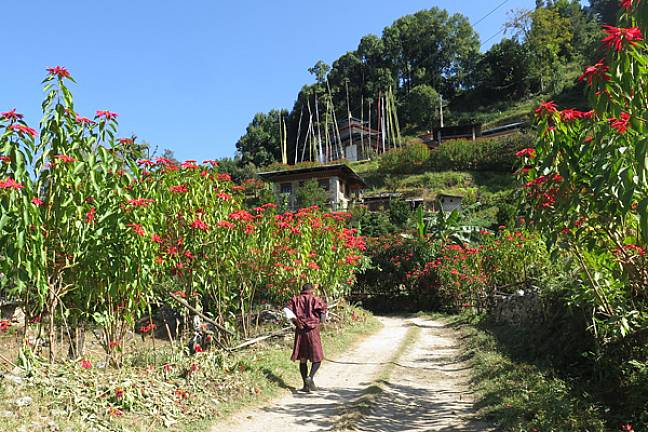
Bhutan’s beauty changes with the seasons, and the best time to visit depends on what you hope to experience.
Cultural travellers might prefer the festival-filled months of autumn, while trekkers often choose spring or late autumn for clear skies and crisp air. Each season offers something distinct - from the rhododendron blooms of April to the snow-dusted monasteries of January.
By understanding Bhutan’s weather, walking and trekking conditions, and festival calendar, you can plan your visit around what matters most to you. Our team of specialists has created a range of Bhutan holiday tours designed to capture the country’s changing moods throughout the year.
For deeper inspiration, read our expert feature on the best places to visit in Bhutan.
Bhutan Weather by Month
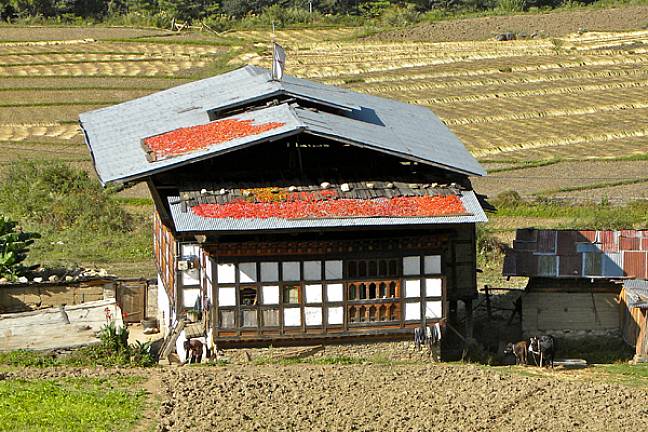
The climate in Bhutan varies dramatically by altitude, from subtropical valleys in the south to snowy Himalayan peaks in the north.
Here’s a quick overview to help you plan when to travel:
January - February:
Average Temp: 5–10°C
Rainfall: Low
Best For: Clear skies, quiet travel
March - May:
Average Temp: 10–20°C
Rainfall: Low - Moderate
Best For: Flowers, trekking
June - August:
Average Temp: 15–25°C
Rainfall: High
Best For: Lush scenery, fewer crowds
September - November:
Average Temp: 10–20°C
Rainfall: Low
Best For: Trekking, festivals
December:
Average Temp: 5–10°C
Rainfall: Low
Best For: Snow views, off-peak travel
The Best Time to Visit Bhutan by Season
Spring (March to May)
Weather
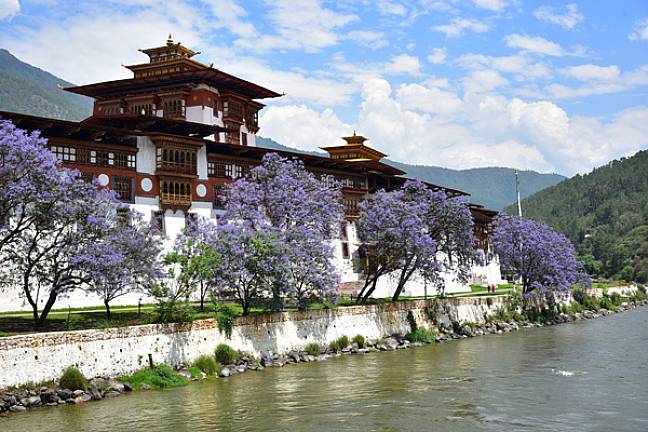
Spring in Bhutan brings mild temperatures, usually ranging from 10–20°C. That said, it can feel quite warm in the sunshine at this time of the year, and you may well need to pack sunscreen.
Skies are bright and clear, especially in the mornings throughout early spring, while evenings remain pleasantly cool. However, by late spring, the weather can become cloudier as the monsoon season approaches. Snow begins to melt at higher altitudes, revealing lush alpine meadows and bright floral displays.
Highlights
This is one of Bhutan’s most colourful seasons, when valleys come alive with rhododendrons, magnolias, and wild orchids. Visibility is generally excellent for mountain views, and the air feels crisp and fresh. That said, visibility is usually more reliable in the mornings, with a buildup of cloud quite common in the afternoons during spring.
Cultural life also blossoms – the Paro Tsechu Festival in April fills the town with masked dances, music, and the hum of local celebration.
If you're looking to explore Bhutan's cultural heritage in a more intimate way, the Temple Trails & Homestays in Bhutan holiday provides an enriching experience during this season.
Activities
Spring is an ideal time for walking holidays, trekking and photography. Trails such as the Druk Path Trek are at their best, offering breathtaking views of snow-capped peaks. Birdwatchers can spot migratory species, while cultural travellers enjoy the festive atmosphere and blooming landscapes.
Consider combining your adventure with cultural exploration through our Tigers Nest & Kathmandu Valley Trek or cycling with the Cultural Cycling Tour of Bhutan for a unique perspective on Bhutan’s valleys and monasteries.
Summer (June to August)
Weather
The summer months mark Bhutan’s monsoon season, with warm days averaging 15–25°C. Rain falls mainly in short afternoon bursts, though southern regions can experience heavier downpours. Central and northern valleys like Paro and Thimphu see lighter, more manageable rain.
Highlights
Rain transforms Bhutan into a green, fertile paradise. Rice terraces shimmer in the sun, rivers run fast with glacial meltwater, and forests grow dense and fragrant. Mist often settles over valleys at dawn, giving photographers a mystical palette of light and shadow. With fewer tourists, you’ll experience a quieter, more personal connection to the country.
Activities
Trekking can be challenging on slippery trails. For this reason, at Mountain Kingdoms, we don’t offer any departures during the summer months.
With that said, summer is a wonderful time for cultural tours, photography, and wellness retreats. Travelling in this season offers a slower pace – ideal for reflection, meditation, and exploring Bhutan’s monasteries without the crowds.
Autumn (September to November)
Weather
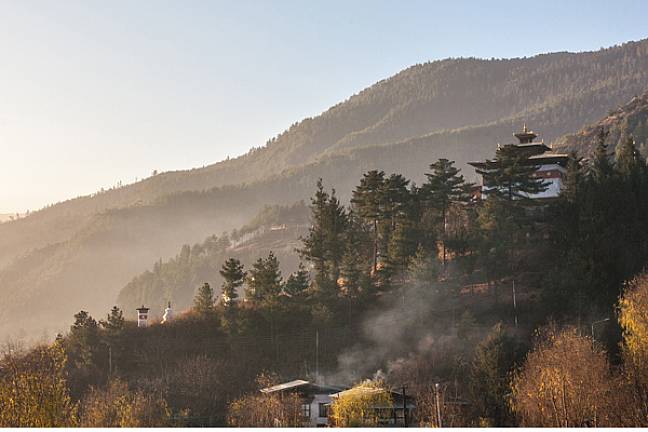
Autumn is widely regarded as the best time to visit Bhutan. Days are sunny, rainfall is minimal, and temperatures average between 10–20°C. However, the monsoon period has become less predictable in recent years, so it's possible to experience some rain in the early autumn weeks. After the monsoon, the air feels clean and sharp, revealing spectacular Himalayan panoramas.
Highlights
With its clear skies and golden light, autumn is Bhutan at its most photogenic. It’s also festival season, featuring the Thimphu Tsechu and other vibrant celebrations that showcase the country’s spiritual traditions. Forests shift to deep red and amber, and the harvest brings life to rural valleys.
To experience this beauty firsthand, consider our Mount Chomolhari & Lingshi Trek - an exceptional trekking experience in autumn. This trek takes you through high mountain landscapes beneath snowy peaks, across remote valleys, and over high passes. Plus, it includes a day at the Chomolhari Mountain Festival.
Activities
This is the prime trekking season, so it’s no surprise that the majority of our walking holidays and treks depart in October as one of the options.
For an incredible trekking challenge, consider the Gangkar Punsum Trek, where you’ll explore the wild and remote mountains of Bhutan, trekking through some of the most unspoiled landscapes in the world.
If you're looking for something less strenuous but equally captivating, our Hidden Valleys Walking Holiday provides a unique insider's view of the kingdom.
For those seeking a gentle walking experience, our Weavers Trail Bhutan is a specialist holiday that takes you across the kingdom to meet the weavers of Bhutan, all while being guided by renowned textile artist Sue Lawty.
Cultural travellers can combine hiking with festival visits, such as the Gangtey Festival in autumn, or simply enjoy scenic drives through the Punakha Valley. It’s also the best season for photography and sightseeing, thanks to the crystal-clear skies.
Winter (December to February)
Weather
Winter in Bhutan brings cool, crisp days and cold nights, particularly in the mountains. Temperatures range from 0–10°C in most regions, dropping below freezing at higher elevations. Snow dusts the peaks and occasionally the valleys, creating postcard-perfect scenes.
Highlights
This is Bhutan’s quietest and most peaceful season. The air is incredibly clear, offering unobstructed Himalayan views. Rural life continues at a gentle pace, and you’ll find locals gathered around wood-burning stoves sharing tea and stories. Accommodation rates are lower, making it a great choice for travellers seeking solitude and authenticity.
For a more intimate experience, consider joining our Gentle Walking Bhutan tour, which departs in December and February in winter, offering a tranquil, slower-paced adventure through Bhutan’s valleys.
Activities
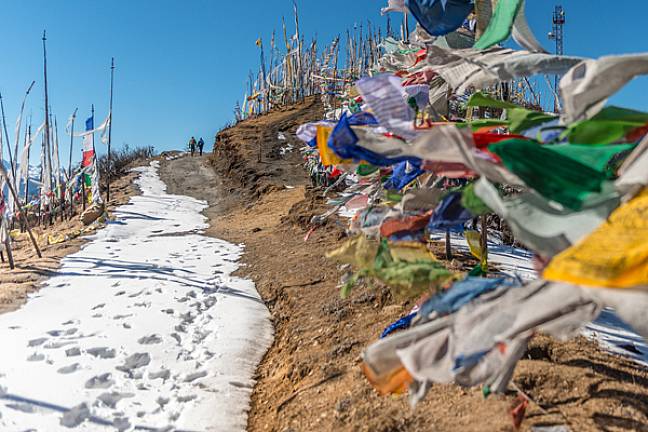
Winter is ideal for photography, cultural touring, and shorter valley walks in places like Paro, Punakha, and Bumthang. Wildlife enthusiasts may spot black-necked cranes in the Gangtey Valley, which we visit during our Definitive Cultural Tour of Bhutan.
Whether you’re capturing snow-covered monasteries or exploring remote villages, this season offers a unique view of Bhutan’s rich culture and stunning landscapes.
What to Expect During Bhutan's Rainy Season
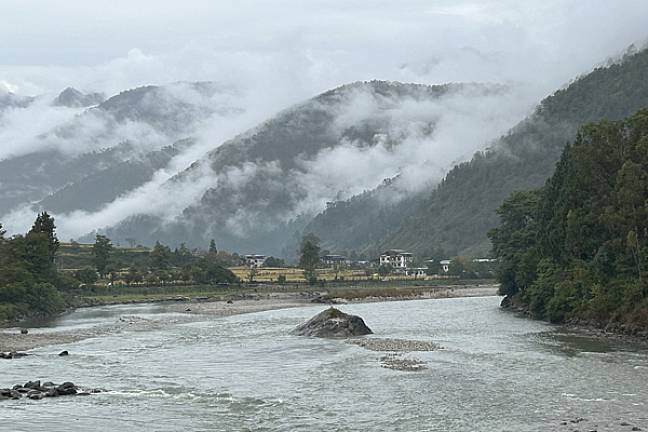
The rainy season in Bhutan lasts from June to August. This period is marked by heavy rains, particularly in the southern regions of the country. While this might deter some visitors, those who venture to Bhutan during the monsoon months will experience a different side of the kingdom.
During this time, the landscape is incredibly lush, with green valleys, mist-covered hills, and rejuvenated rivers and waterfalls. The rain brings out the vibrancy of Bhutan’s forests, turning the country into a lush paradise. If you’re prepared for the rain, the experience can feel incredibly peaceful and intimate, with fewer tourists around.
However, if you plan on trekking, it’s important to be cautious. Trails can become slippery, and some remote trekking routes may be inaccessible due to heavy rainfall. That said, Bhutan is still a fantastic place to visit during the rainy season if you're looking for a more relaxed experience and are happy to embrace the wet weather - think cultural touring, photography, or wellness retreats.
What are the best seasons for trekking, walking and cultural tours
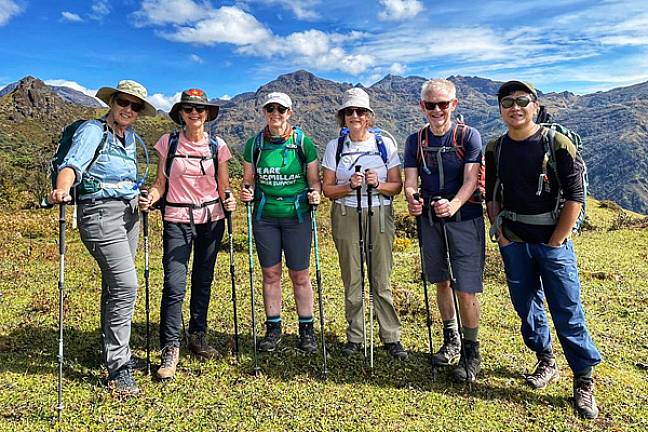
When it comes to walking holidays and trekking, the best time to visit Bhutan is undoubtedly during the spring and autumn months. The weather is ideal for outdoor adventures, and the clear skies offer unbeatable views of the Himalaya.
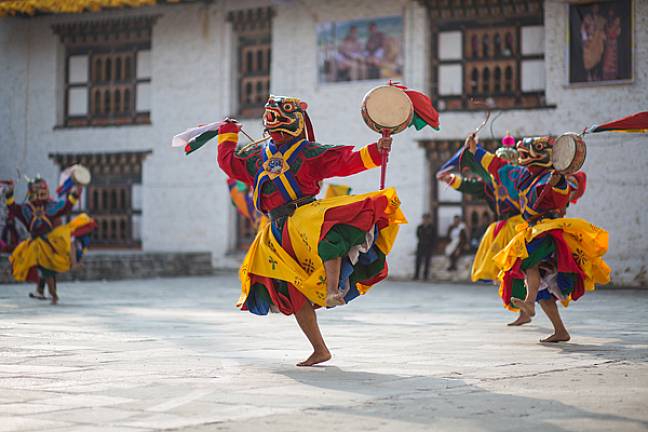
Cultural tours, on the other hand, can be enjoyed year-round. However, if you want to align your visit with Bhutan’s festivals, autumn is the best season to go. You can enjoy festivals like the Thimphu Tsechu, which provides an opportunity to witness traditional dances, music, and Bhutanese rituals in a lively atmosphere. For a complete look into Bhutan’s festivals, check out our guide to festivals in Bhutan.
At Mountain Kingdoms, the majority of our Bhutan walking and trekking holidays take place during spring and autumn, offering the perfect balance between ideal weather conditions and the chance to experience the country’s rich cultural life. If you’re looking for activities beyond trekking, be sure to explore our blog on the best things to do in Bhutan.
Practical Tips for Your Bhutan Adventure
Planning a trip to Bhutan requires some thoughtful preparation, as the country's terrain and climate can vary greatly depending on where you are. Whether you’re embarking on a challenging trek or exploring Bhutan’s cultural heart through a gentle walking holiday, it’s important to be well-prepared.
For a comprehensive guide on getting ready for your Bhutan adventure, take a look at our blog on planning a trip to Bhutan.
Pack Smart: The weather can vary depending on the altitude, so pack layers. Bring waterproof gear if you're visiting during the rainy season and warm clothing for winter treks, tours, or walking holidays.
Acclimatisation: Bhutan’s high altitudes can take some getting used to, especially on treks like the Lunana Snowman Trek. Spend a day or two acclimatising in places like Paro or Thimphu, which are at moderate altitudes of around 2,300 m, before heading into the mountains.
Festivals: If you want to experience Bhutan’s festivals, make sure to check the festival dates before booking. The Paro Tsechu in spring and the Thimphu Tsechu in autumn are among the most famous.
Be Prepared for the Unexpected: The weather in Bhutan can change quickly, especially in the mountains. Always be prepared for sudden showers or shifts in temperature.
Ready to Explore Bhutan?
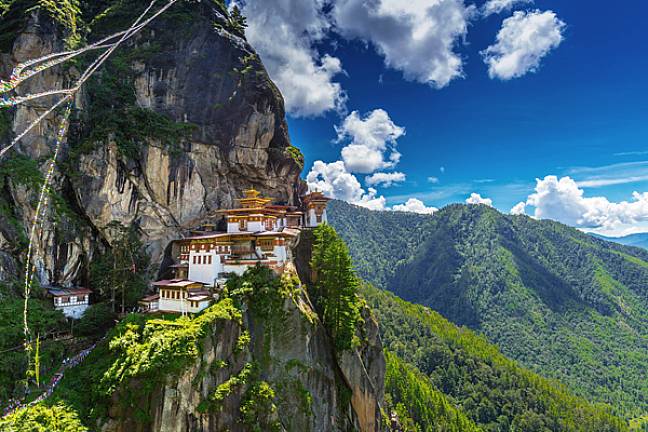
Whether you're seeking a thrilling trek through the Himalayas, a walk through the valleys and gentler hills, or an immersive cultural experience, Bhutan offers something magical for every traveller.
The best time to visit Bhutan depends on your preferences - be it walking, cultural exploration, or simply enjoying its peaceful landscapes - but for most travellers, March to May and September to November are the best times to visit.
Key Takeaways
Spring and Autumn are ideal for walking and trekking with clear skies and mild temperatures.
Autumn is the prime season for festivals, including the Thimphu Tsechu.
Winter offers a quieter, serene experience with stunning mountain views.
Summer presents lush, green landscapes but comes with occasional rain.
Bhutan’s landscape changes dramatically with each season, providing a unique experience year-round.
Explore our range of Bhutan small group and tailor-made tours to discover the kingdom’s timeless landscapes, from Paro’s prayer-flagged trails to the sacred peaks of Chomolhari. If you have any questions, contact our friendly team.
FAQs
When is the best time to visit Bhutan for trekking and hiking?
The best time to trek in Bhutan is during spring (March to May) and autumn (September to November). During these months, the weather is mild, with clear skies and comfortable temperatures, making it ideal for outdoor activities.
When should I avoid visiting Bhutan?
While Bhutan can be visited year-round, it’s best to avoid the peak monsoon months of July and early August, when heavy rains make trekking routes slippery and reduce visibility for mountain views.
When are the best months for Bhutan festivals?
The best months for Bhutan festivals are generally in autumn (September to November), with the Thimphu Tsechu being the biggest festival held during this season. Autumn also sees other key cultural events, such as the Chomolhari Mountain Festival and the Black-necked Crane Festival in the Gangtey Valley.
This makes autumn the ideal time for travellers who want to experience Bhutan's festivals. That said, Spring is also a great time to visit for festivals, with Paro Tsechu being the biggest.
Can I visit Bhutan during the rainy season?
Yes, it’s possible to visit Bhutan during the rainy season (June to August). While it’s the wettest period, the rain brings lush greenery, vibrant landscapes, and fewer tourists, making it a very peaceful time. However, trekking can be challenging due to slippery trails.
How cold does it get in Bhutan during the winter months?
Winter in Bhutan (December to February) can be quite cold, especially at higher altitudes where temperatures can drop below freezing. Lower-altitude regions, such as Paro and Punakha, remain temperate, making them perfect for sightseeing and cultural exploration.
Related blog posts
The Best Things to do in Bhutan
A Guide to Festivals in Bhutan
The Best Places to Visit in Bhutan
Mountain Kingdoms MD and owner, Steve Berry, was a significant contributor to this blog article. Steve and has been travelling, trekking, climbing and exploring in Bhutan for over 50 years. He first ventured there in the 1980s as part of a British mountaineering expedition team who were aiming to conquer Bhutan's highest peak, Gangkar Punsum; he wrote a book about his experience. Steve set up Mountain Kingdoms in 1987, and the company were one of the first to organise treks to the country. Steve has trekked the length and breadth of the country and has advised and appeared in several television documentaries about the Thunder Dragon Kingdom including a search for the elusive Himalayan yeti!