9 Best Cities to Visit Along the Silk Road
The Silk Road - a network of ancient trade routes that spanned over 4,000 miles, connecting the cultures of the East and West - wasn't just about goods flowing between continents. It was a vibrant corridor for ideas, religions, art, and cultures.
Cities on the Silk Road played pivotal roles in shaping the world as we know it today. From bustling markets to stunning architecture, these cities are the very definition of crossroads, where the East met the West in a symphony of trade, culture, and human interaction.
So, if you’re looking to experience the essence of the Silk Road, you’re probably wondering: Which places along the Silk Road should be on your itinerary? Let’s explore some of the best Silk Road cities, each offering a unique blend of history, culture, and adventure.


Table of Contents:
What Makes the Silk Road Special?
Why Was the Silk Road Important?
Central Asia: The Heart of the Silk Road
Samarkand, Uzbekistan
Bukhara, Uzbekistan
Khiva, Uzbekistan
Tashkent, Uzbekistan
Fergana, Uzbekistan
Merv, Turkmenistan
Almaty, Kazakhstan
East Asia: The Starting Point and Beyond
Xi’an, China
Dunhuang, China
Middle East & Europe: The Crossroads of the Silk Road
Istanbul, Turkey
Your Silk Road Adventure Awaits
FAQs
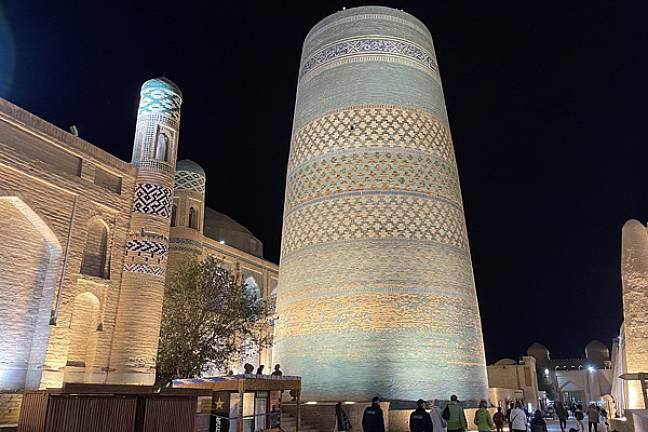
What Makes the Silk Road Special?
The Silk Road isn’t just a series of ancient trade routes. It was a dynamic Silk Road travel corridor that connected the East with the West for centuries, fostering not just the exchange of goods but also ideas, cultures, and religions. The Silk Road countries - from China and India to Turkey and Iran - played crucial roles in shaping world history.
Why Was the Silk Road Important?
It was essential not only for its Silk Road trade route but also for the cultural blend it enabled. Major cities on the Silk Road like Samarkand, Bukhara, and Xi’an became vibrant hubs where merchants and travelers from all over the world came to trade goods like silk, spices, and jewels - but also philosophy, art, and religion.
As you explore these cities along the Silk Road, you’ll discover a tapestry of history, culture, and architecture that reflects the profound impact this ancient route had on the world. Whether you’re interested in the architectural grandeur of Samarkand or the bustling trade markets of Xi’an, the Silk Road cities offer a fascinating journey through time.
For a deeper understanding of the historical significance of the Silk Road, check out our Guide to Travelling the Silk Road.
Central Asia: The Heart of the Silk Road
Central Asia is the heart of the Silk Road, where cultures converged and the exchange of goods, ideas, and traditions flourished. This region is home to some of the most important cities on the Silk Road. From the sprawling bazaars of Samarkand to the ancient city walls of Bukhara, this region is a must-visit for anyone seeking to explore the legacy of the Silk Road cities.
To explore Central Asia’s rich history and Silk Road culture, consider joining our Five Stans Tour of Central Asia, where we explore the wonders of Kyrgyzstan, Kazakhstan, Tajikistan, Turkmenistan, and Uzbekistan.
Alternatively, for a more focused experience, our Silk Road Mountains & Monuments tour combines the cultural delights of four great Silk Road cities of Uzbekistan with day walks in the scenic Chimgan and Nuratau mountain ranges.
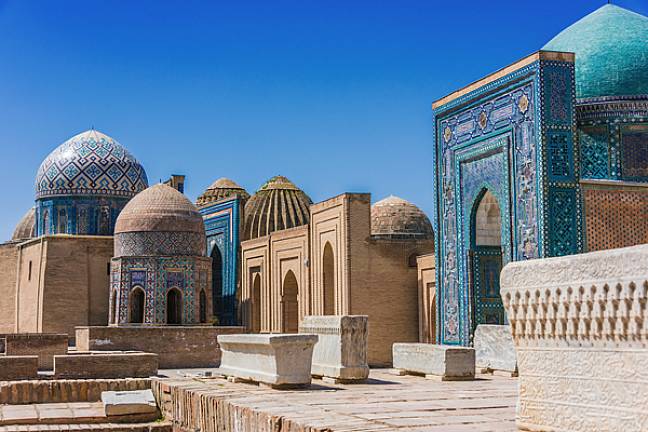
Samarkand, Uzbekistan
Samarkand, often referred to as the "Jewel of Central Asia," was one of the most influential cities on the Silk Road. It stood at the intersection of East and West, blending Persian, Mongol, and Turkish influences in a unique fusion of Islamic architecture.
Samarkand’s streets are steeped in history, where caravans once carried their precious goods, and scholars came to study in the great madrasahs. For Silk Road travel, Samarkand offers an exceptional blend of history, architecture, and cultural richness that few other cities can match.
For those wishing to visit Samarkand on a Silk Road trip, take a look at our Silk Road to Samarkand tour.
Key Highlights in Samarkand
Samarkand was a major hub for the Silk Road trade route, attracting traders, scholars, and artists.
The Registan Square and the Shah-i-Zinda necropolis are some of its most iconic landmarks.
The Ulugh Beg Observatory showcases Samarkand’s role as a centre of science and intellectual exchange.

Bukhara, Uzbekistan
Just a short distance from Samarkand lies Bukhara, a UNESCO World Heritage Site with a timeless charm. As one of the major cities on the Silk Road, Bukhara remains a well-preserved example of a city that flourished at the crossroads of trade and culture.
The city’s narrow alleys, ancient caravanserais, and mosques stand as testaments to the influence of the Silk Road on the region. For centuries, Bukhara was a vibrant centre for Silk Road trade cities, attracting merchants from India, China, and the Middle East.
To fully appreciate the city’s charm, take a walk through Bukhara’s old markets or enjoy a cup of tea in one of its historic caravanserais.
Key Highlights in Bukhara
Bukhara is home to ancient caravanserais and mosques that provide a direct link to the past.
The Ark Fortress and Kalon Minaret stand as symbols of Bukhara’s medieval power.
Bukhara’s bazaars remain vibrant, offering a taste of the Silk Road trade cities of centuries past.
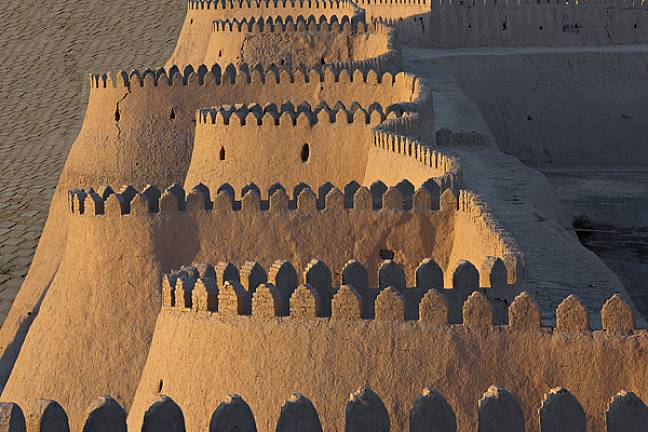
Khiva, Uzbekistan
Khiva, located in the heart of Uzbekistan, is a city that feels frozen in time. With its Ichan Kala district, a UNESCO World Heritage Site, Khiva is one of the most well-preserved cities on the Silk Road.
This charming city offers a glimpse into the past, with its towering minarets, grand palaces, and winding narrow streets. Walking through the Ichan Kala district, you’ll be transported to a time when Silk Road towns like Khiva were thriving cultural hubs.
Khiva offers an immersive experience, giving visitors a chance to step back into the ancient days when the Silk Road cities were at the center of world trade.
Key Highlights of Khiva
Khiva’s minarets and palaces reflect its history as a Silk Road town.
The Tash Hauli Palace and Juma Mosque are key landmarks.
Khiva’s markets still offer a window into the vibrant trade and cultural exchange of the Silk Road towns.
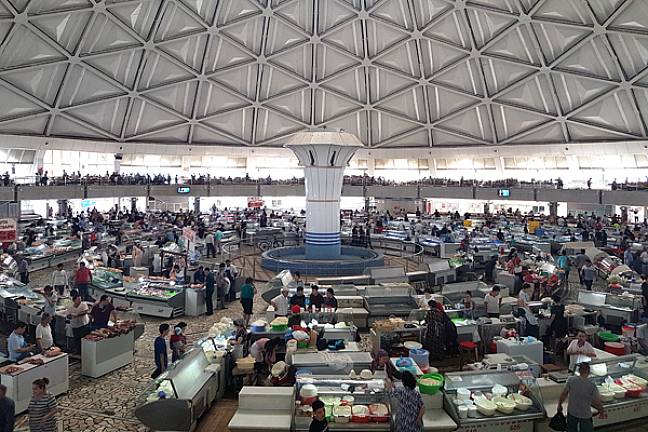
Tashkent, Uzbekistan
Tashkent, Uzbekistan’s capital, combines modern and ancient influences. Though not as famous as Samarkand or Bukhara, Tashkent offers a unique perspective on the Silk Road legacy. It provides a bridge between the ancient world and modern Uzbekistan, making it a fascinating stop on any Silk Road trip.
Key Highlights of Tashkent
The Khast Imam Complex and Chorsu Bazaar offer a glimpse into the city’s cultural and religious significance.
Tashkent’s architecture blends Soviet and Islamic styles, reflecting the city’s complex history.
Tashkent is a dynamic, modern city that offers a rich contrast to the ancient Silk Road cities of Uzbekistan.

Fergana, Uzbekistan
Fergana, located in the eastern part of Uzbekistan, is one of Central Asia's most culturally significant regions, known for its long history of textile production, ceramics, and jewelry - all key elements of the Silk Road's artistic heritage.
The Fergana Valley was historically a major hub for the production of silk, and it continues to be famous for its beautiful hand-woven carpets and traditional pottery, much of which is still crafted using age-old techniques passed down through generations. The region is also known for the Kokand Khanate, an ancient kingdom whose palaces and mosques still stand as reminders of the past.
If you want to visit Fergana and dive deeper into the rich artistic traditions of the Silk Road, our Textiles & Treasures of Central Asia tour is fantastic. It’s just one of three tours we offer that delve into 'the Stans' - Uzbekistan, Kazakhstan, and Kyrgyzstan - the countries that are central to the history of the Silk Road. We can also add an extension to the Fergana Valley onto our Silk Road to Samarkand tour.
Key Highlights of Fergana
Fergana Valley is a key centre for traditional textile production, famous for its hand-woven silk.
The Kokand Khanate and its palaces offer a glimpse into the region’s rich Silk Road history.
The local ceramics and jewellery industries remain an important part of Fergana's cultural identity.
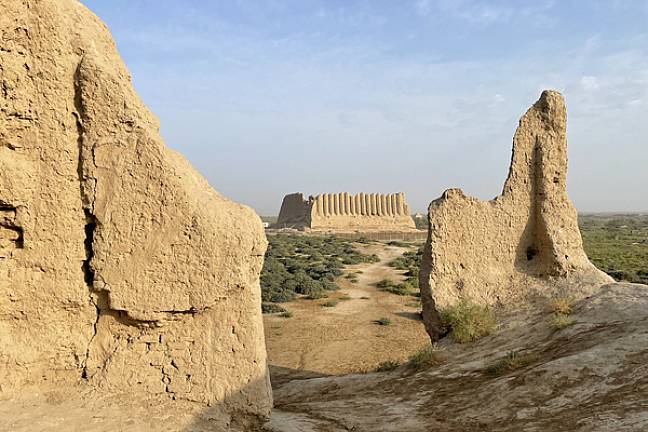
Merv, Turkmenistan
Once known as the "Queen of the World", Merv in Turkmenistan was one of the largest and most significant cities along the Silk Road. The ruins of Erk Kala and the Mausoleum of Muhammed Ibn Zeid provide a glimpse into its glorious past.
Merv was a melting pot of cultures, a place where scholars, merchants, and travellers from China, India, and the Middle East came together. For anyone interested in the Silk Road's major cities, Merv is a must-see destination, offering a quiet yet powerful connection to the past, which is why both of our cultural tours include time here.
Key Highlights of Merv
Merv’s strategic location made it a key Silk Road stop.
The city’s ruins, like the Erk Kala fortress, are remarkably well-preserved.
Merv was a center of intellectual exchange during its prime.
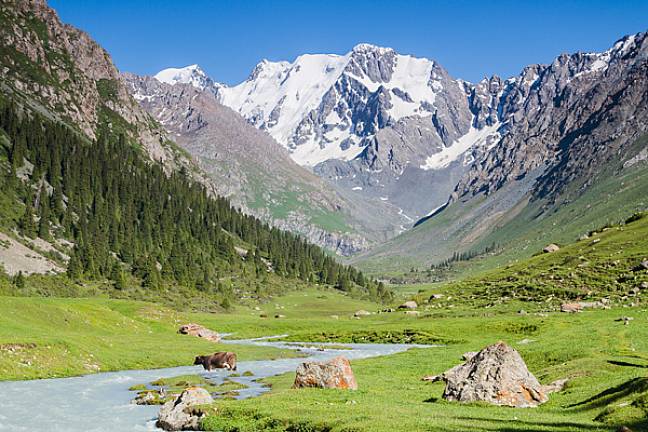
Almaty, Kazakhstan
Almaty, nestled in the Tien Shan Mountains, is a vibrant city in Kazakhstan that blends modernity with traditional Central Asian influences. Although it’s not a historic Silk Road stop in the traditional sense, Almaty is a gateway to Central Asia.
Almaty is the ideal starting point for those looking to explore Silk Road countries in Central Asia, blending the best of modern and traditional cultures.
Key Highlights of Almaty
Almaty is a cultural hub, combining Soviet and Islamic influences.
The Zelyony Bazaar is a great place to experience local life.
Big Almaty Lake offers a serene escape into nature, perfect for exploring the region’s outdoor beauty.
East Asia: The Starting Point and Beyond
The Silk Road officially begins in Xi’an, China, but extends far beyond, with Dunhuang playing an essential role in connecting the East with the West.
Xi’an, China
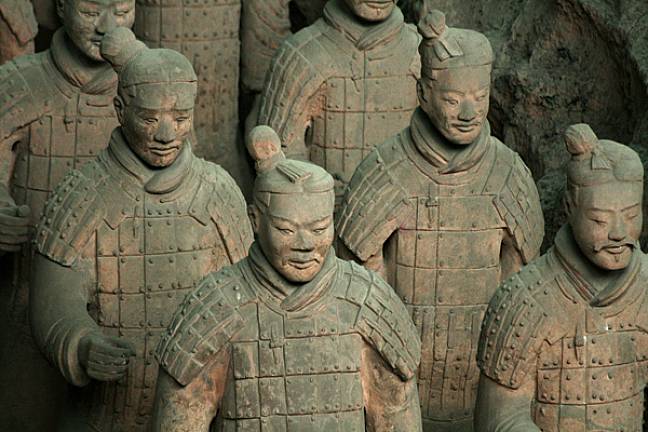
Xi’an, the capital of Shaanxi Province in China, is the eastern terminus of the Silk Road. Home to the famous Terracotta Army, Xi’an is one of the most significant historical cities in China.
Key Highlights of Xi’an
Xi'an is the starting point of the Silk Road, marking the beginning of trade routes to the West.
The Terracotta Army and ancient city walls are must-see sites.
Xi'an offers a fascinating blend of Chinese and Islamic architecture, highlighting its role as a Silk Road town.
Dunhuang, China
Dunhuang, located in Gansu Province, is a cultural oasis in the desert. Known for its Mogao Caves, Dunhuang played a key role in the Silk Road's religious and cultural exchanges.
Key Highlights of Dunhuang
The Mogao Caves are filled with Buddhist murals and sculptures, offering a window into ancient Silk Road art.
Dunhuang’s desert landscape provides a serene backdrop to its rich historical sites.
Visit the Dunhuang Museum to learn about the city’s Silk Road significance.
Middle East & Europe: The Crossroads of the Silk Road
As the Silk Road traveled west, it reached Istanbul, one of the world’s most important crossroads.
Istanbul, Turkey
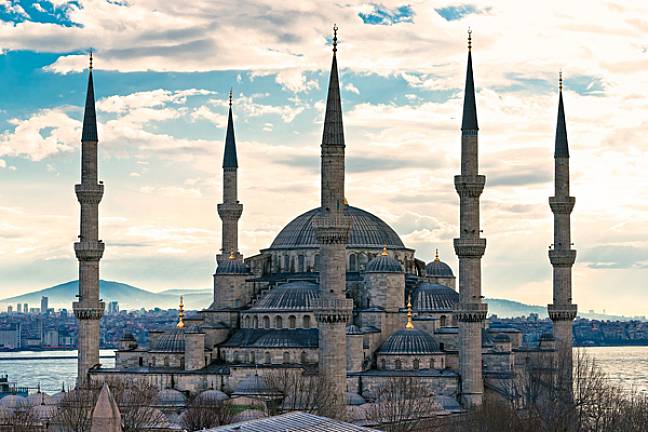
Istanbul, historically known as Constantinople, is the final destination for many Silk Road trips. The city’s position straddling two continents - Asia and Europe - makes it one of the world’s most fascinating cities.
If you want to explore Istanbul’s vibrant atmosphere, world-class cuisine, and remarkable heritage, it’s possible to visit as an extension to any of our walking holidays in Turkey.
Key Highlights of Istanbul
Istanbul connects Asia and Europe, both geographically and culturally.
The Hagia Sophia, Topkapi Palace, and Grand Bazaar offer a blend of Byzantine and Ottoman history.
Istanbul is the ultimate Silk Road stop, linking East and West.
Your Silk Road Adventure Awaits
The Silk Road is a journey through time, culture, and adventure. Whether you’re exploring the majestic Registan Square in Samarkand or the Terracotta Army in Xi’an, these Silk Road cities are filled with stories waiting to be uncovered.
Ready to explore the Silk Road major cities? Take a look at our Silk Route tour today and experience the crossroads of cultures along this historic trade route. If you have any questions, contact our friendly team.
FAQs
1. What are the major cities along the Silk Road?
The major cities along the Silk Road include Samarkand, Bukhara, Xi'an, Kashgar, Tashkent, and Merv. Each city played a vital role in the exchange of goods, culture, and ideas.
2. Which city is considered the starting point of the Silk Road?
Xi'an, China, is traditionally considered the starting point of the Silk Road, where goods and ideas from China began their journey westward.
3. Can I visit the cities along the Silk Road year-round?
Yes, most cities along the Silk Road can be visited year-round, though the best time to travel depends on the season. Spring and autumn tend to offer the most comfortable weather for exploring.
4. What’s the best way to travel along the Silk Road?
The best way to travel the Silk Road is by joining an organized tour, which allows you to explore the historic sites with expert guides and learn about the rich cultural heritage of each city. Not only that, but guides can also be very helpful in negotiating the sometimes tricky logistics of travelling between the different countries of the Silk Road.
5. What cities are best for experiencing the Silk Road's cultural diversity?
Kashgar, Samarkand, and Xi'an offer the richest cultural experiences, with a unique blend of Eastern, Western, and Islamic influences. These cities were major crossroads for trade and cultural exchange.
Mountain Kingdoms Operations Manager, Harry, created this blog based on his experience of visiting the Silk Road cities of Uzbekistan with Mountain Kingdoms. This is one of many trips Harry has completed since working with the company including several treks in Nepal, tours in Japan and Vietnam, a successful ascent of Kilimanjaro and, most recently, a wildlife recce to Ladakh in the Indian Himalaya.